
FIKA NYC / THE COFFEE JOURNAL
How to start a coffee shop: from concept to opening
Work through concept, customer research, premises, permits, equipment, staffing, cash planning and a measured soft opening for a coffee shop.
Originally published Editorially updated
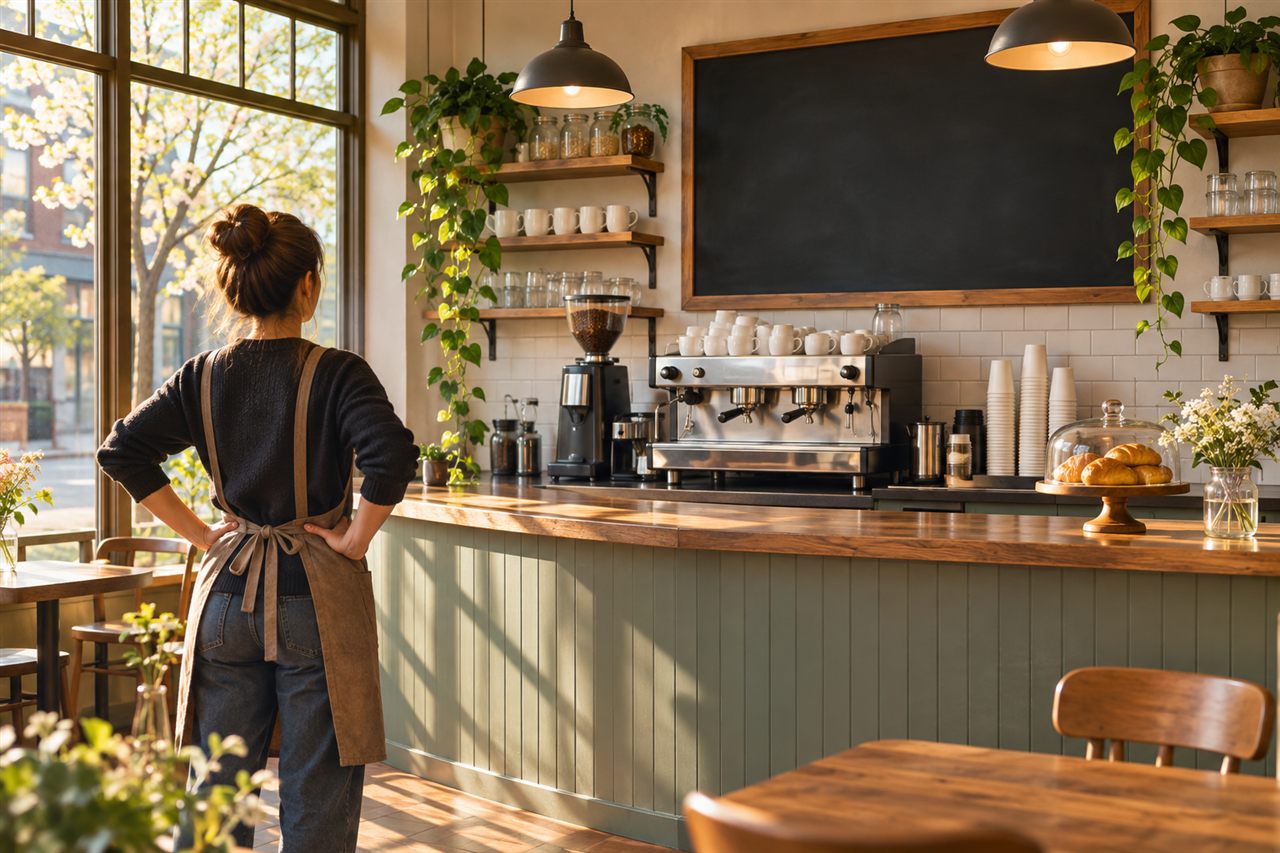
Starting a coffee shop involves more than buying an espresso machine. You need a format that customers want, premises legally suited to the intended use, a menu the team can execute, enough funding for opening and the first slow months, and a way to learn from actual sales. This guide uses New York City examples because Fika NYC is a New York site, but permits and property rules depend on location. Check current official requirements before committing money.
Choose the format and customer
Decide whether the first version is a takeout counter, seated cafe, kiosk or coffee-and-food shop. Each choice changes space, staffing, capital and the pace of service. Describe the customer you expect at each part of the day and the problem you solve for them: speed, a comfortable stop, a particular coffee program or convenient food. The SBA recommends market and competitor research rather than relying only on the founder's enthusiasm. Visit comparable shops, observe service patterns and speak with potential customers.
Keep an initial menu focused. Espresso, filter coffee, cold drinks and food can each create separate equipment and training needs. Decide which items you can execute well at rush hour. A complex menu that looks exciting in a notebook may require too many ingredients or too much counter space. Write the intended hours and typical order size into a working business plan. This provides a testable concept before you negotiate premises.
Check the site before the lease
A promising corner is not enough. Inspect the frontage, customer flow, access, deliveries, utilities, ventilation, plumbing, toilets, storage and the route from order to pickup. Visit at the times you plan to trade. Speak with the landlord about what work is permitted and get professional advice on the lease and build-out. In NYC, the official restaurant business checklist says to confirm that the use is allowed by zoning and the Certificate of Occupancy or relevant building records.
Do not assume that a former cafe has every approval needed for your exact concept. A change in layout, cooking process, seating or occupancy may affect the requirements. Verify these before signing or make the lease conditional on appropriate due diligence with qualified advisers. Estimate how long design and construction can take, and include that period in the cash plan. Rent may begin before the first drink is sold.
Map permits and food safety
In New York City, a shop serving food or drinks generally needs a Food Service Establishment Permit. The official page lists application steps and points to Food Protection certification for a supervising manager. The NYC Food Protection Course page explains the certificate. Check the current version of each page and speak with the relevant agency for your specific operations. Other locations have their own licensing and inspection rules.
A permit list should include the party responsible, application date, documents, cost estimate and expected dependency on construction or training. Ask about additional requirements if you plan to make frozen desserts, cook food, sell packaged goods, use outdoor space or play music. Do not copy a blog's old permit fee or assume a filing means approval. Food safety is an operating system too: train staff on receiving, storage, allergens, cleaning and temperature control before opening day.
Plan money and equipment together
Obtain current quotes for espresso equipment, grinder, brewer, water treatment, refrigeration, dishwashing, point of sale, furniture and any building work. Include service contracts, installation and maintenance, not just purchase price. The SBA planning tools cover startup costs and funding. Build a cash forecast that includes deposit, fit-out, inventory, training wages, utilities and a reserve for the ramp-up. A shop can sell profitable drinks and still run short of cash if startup bills arrive before revenue.
Model daily transaction volume and contribution per sale, then compare them with fixed costs using the SBA break-even method. Test a slower opening month and a higher-cost scenario. If the numbers only work with a full queue all day from week one, the plan needs revision. Lease commitments and debt service deserve special attention because they continue through weak months. Use realistic prices and quotes for the specific location, not an article's generic estimate.
Hire and rehearse the service
Identify the roles needed to open, handle peak demand and close safely. Train the team on recipes, equipment, cleaning, payment and customer questions. Write a few core drink recipes by dose and yield so quality does not depend on one experienced barista. A menu test with friends is useful for feedback, but a timed service rehearsal reveals queue bottlenecks and missing supplies. Check that the counter layout supports simultaneous order-taking, brewing and handoff without collisions.
Staffing is also a cost and compliance issue. Plan schedules, breaks, payroll and management cover according to applicable rules, and get professional advice where needed. A food-protection certificate cannot replace everyday training. Make the opening checklist concrete: who checks refrigerator temperatures, who receives milk, who cleans grinders, who handles an allergen question and who closes the register. The goal is a safe, repeatable operation rather than an impressive one-day launch.
Open softly, measure and adjust
A soft opening with a limited menu and controlled hours lets you test equipment and service before a full launch. Tell customers honestly if hours or items are limited. Track orders by time of day, average ticket, waste, queue time and repeat visits. Compare these results with the assumptions in the plan. A slow first week is information, not immediate proof of failure; a busy opening day is also not proof of lasting demand. Update staffing and purchasing based on patterns over several weeks.
Ask for specific feedback about wait time, drink consistency and the space. Fix operational problems before spending heavily on promotion. Keep the official permits visible as required and maintain cleaning and training records. If your menu changes, check whether new equipment or food preparation triggers different approvals. A local coffee shop grows by delivering a reliable experience to its neighbors, not by claiming a universal recipe for success.
Keep the opening plan dated so requirements and quotes can be rechecked.
Common questions
Do I need a business plan before looking for space?
A working plan helps define the format, budget and location criteria. It can be revised after viewing real premises.
Without a cash model, it is easy to fall for a space whose rent or build-out cost the concept cannot support.
Can I open as soon as I apply for a permit?
Rules depend on location and the specific permit. NYC's official Food Service Establishment page explains its process and timing.
Do not rely on a general article for an opening date; confirm current requirements with the agency and your advisers.
What equipment comes first?
Choose equipment after you know the menu, expected volume, space and utilities. Espresso and food service create different needs.
Include installation, water treatment, maintenance and staff training in the budget, not only the machine price.
How do I know if the shop is working?
Track transactions, contribution, cash, waste, queue time and repeat visits against the assumptions in the plan.
Review a series of weeks rather than a single opening day, then change hours, staffing or menu based on evidence.
This article draws on published brewing guidance and explains common preparations. It does not claim a hands-on equipment test, a universal recipe or a health benefit. Check the exact cafe menu and equipment instructions for your own cup.